Smart Retail on a Shoestring: Affordable Tech That Makes Tourist Shops Feel Modern
A practical guide to affordable smart retail tools that help souvenir shops feel modern, personal, and frictionless.
Why Smart Retail Matters for Tourist Shops Right Now
Tourist shops have always lived at the intersection of impulse buying, storytelling, and convenience. The challenge in 2026 is that visitors expect the same smooth, personalised retail experience they get from modern airport shops, chain stores, and e-commerce, but most souvenir stores are still running on legacy habits: paper tickets, static displays, and a queue at the till when people are already tired from sightseeing. That gap is exactly where smart retail can make a visible difference without requiring a flagship budget. Think of it as a set of small, practical upgrades that reduce friction, help staff sell more confidently, and make a compact tourist shop feel current rather than dated.
The broader market is moving quickly. The source material notes that smart retail is being driven by AI, IoT, cloud analytics, digital payments, smart shelves, and omnichannel commerce, with the global market projected to grow sharply over the next decade. For souvenir stores, that does not mean installing a futuristic cashier-less system. It means borrowing the useful parts: better stock visibility, faster checkout, simple recommendation engines, and tools that help customers discover gifts faster. If you want to understand how affordability and practicality shape adoption in other sectors, see our guide on budget tech buying and the broader view on reducing SaaS waste for small business.
For tourist retailers, the best smart-retail investments are not the flashiest. They are the ones that help a family find a London-themed gift quickly, let an overseas visitor pay in seconds, and stop the back office from running out of top sellers on a busy Saturday. That is the essence of modern visitor-centric commerce: remove unnecessary steps and increase confidence at the point of purchase. Done well, it can also improve trust, because a store that feels organised and digitally fluent tends to feel more reliable.
What “Smart Retail on a Shoestring” Actually Looks Like
1) It is operational, not ornamental
In a tourist shop, smart retail should solve a real problem before it tries to impress anyone. A tiny store near a major attraction usually has limited floor space, limited staff, and high seasonality, so every tool needs to earn its keep. This is why low-cost tourist shop tech should focus on inventory accuracy, faster payment, product discovery, and lightweight automation rather than big-screen spectacle. A smart shelf that helps prevent a best-selling mug from vanishing unnoticed is useful; a giant digital wall that looks impressive but never helps a sale is not.
There is a useful lesson here from the way small brands use design systems and growth stacks to appear larger than they are. Our article on turning a design tool into a growth stack shows how a few coordinated tools can create a more polished customer journey. Tourist shops can do the same by linking stock data, payment options, signage, and product recommendations into a simple, coherent experience. The goal is not to automate the soul out of the shop; it is to make browsing feel calm, quick, and curated.
2) It should reduce staff pressure at peak times
High footfall means high cognitive load. Staff are not only selling; they are answering route questions, handling refunds, restocking shelves, and explaining which item is authentic or exclusive. Affordable smart-retail tools can offload repetitive questions and reduce queue stress. A tablet-based product catalogue, QR-based product info, or simple live stock display can free staff to do the most human part of retail: helping people choose well. This aligns with ideas from our piece on frictionless premium experiences, where reducing tiny annoyances creates a better overall perception of quality.
There is also an important trust benefit. When visitors can see clear product details, prices, and maybe even a quick “best for gifting” recommendation, they are less likely to hesitate. That matters in tourist retail because many customers are buying under time pressure. If the store feels organised, the shopper feels safer spending a little more. That is the difference between a casual browse and a confident purchase.
3) It should support omnichannel, even if the shop is small
Omnichannel does not have to mean a huge ecommerce platform. For a souvenir store, omnichannel might simply mean that the same products appear in-store, on a QR-linked mobile page, and in a post-visit follow-up message. It might mean offering click-and-collect, local delivery to hotels, or a way for tourists to re-order after they return home. The smart retail market’s emphasis on omnichannel is especially relevant here, because many visitors want to avoid carrying heavy gifts through airports and trains.
For practical shipping and customer communication ideas, see shipping uncertainty best practices and travel preparation guidance, which together show why clear expectations matter to travellers. In tourist retail, omnichannel is not a buzzword; it is a service promise. If a customer buys a large London-themed item and can have it shipped home with tracking, that is a better experience than forcing them to carry it through the city all day.
Low-Cost Smart-Retail Tools Worth Buying First
1) Cashless payments that speed up the front counter
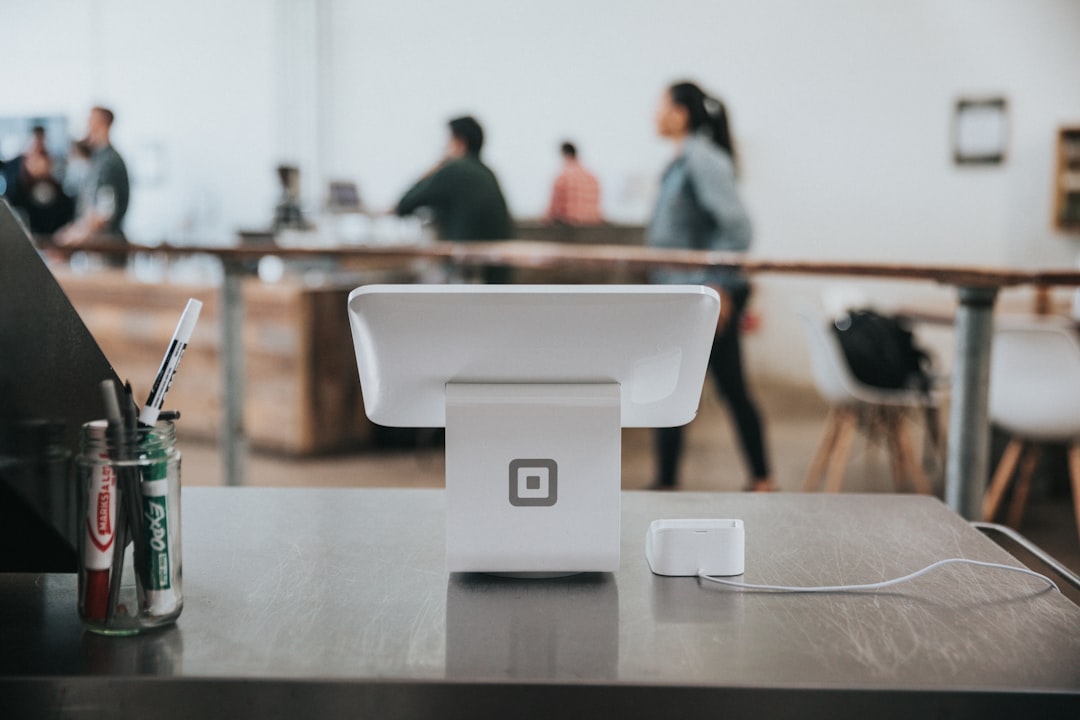
If you are only going to modernise one thing this year, start with cashless payments. Contactless cards, mobile wallets, QR payments, and tap-to-pay devices cut queue time dramatically and fit naturally with the way tourists already pay abroad. These tools also reduce mistakes at busy tills and make small purchases more likely because friction falls away. For a shop selling postcards, magnets, collectibles, and gift wrap, shaving 30 seconds off each transaction adds up quickly during peak periods.
When choosing payment tech, prioritise low monthly fees, multi-currency support, and simple reporting. You do not need a complex enterprise payment stack to make the store feel modern. You need a reliable terminal, fast settlement, and clear receipts. That is especially useful in tourist areas where customers may be paying in unfamiliar currencies or using wallets from different countries.
2) Smart shelves and low-cost inventory visibility
Smart shelves do not have to mean expensive IoT fixtures. In smaller shops, they can be as simple as shelf-edge QR codes linked to live stock data, electronic shelf labels for key items, or low-cost weight sensors for high-value displays. The aim is to know when your best-selling item is running low before it creates a missed sale. That matters for souvenir retail because top sellers often cluster around just a handful of products: landmark mugs, ornaments, tote bags, and seasonal gift items.
For retailers considering RFID for boutiques, the most affordable starting point is often not full-store tagging, but a pilot on one category. Tagging premium collectibles or compact gifts lets staff scan stock faster during opening and closing, and gives more accurate counts when moving items between the stockroom and the floor. If you want a parallel from another category, our article on evaluating refurbished devices is a good reminder that value comes from disciplined selection, not chasing every feature at once.
3) Simple AI recommendations that feel helpful, not creepy
AI recommendations in a tourist shop should be lightweight and transparent. A tablet at the end of an aisle could suggest “popular with first-time London visitors,” “easy to pack,” or “best gift under £20.” That is enough to shape decisions without making the experience feel invasive. The best retail AI does not shout; it nudges. It helps a shopper narrow down a crowded shelf and find the item that fits their trip, budget, or recipient.
There is a strong consumer psychology angle here. People in souvenir shops are often buying for someone else, and “something nice” is not a sufficient recommendation system. If you want a deeper analogy, our piece on recommender systems explains how structured guidance can improve confidence when the choice set is overwhelming. In retail, that same logic can be used for “for kids,” “for office colleagues,” “for collectors,” or “for carry-on only.”
4) Digital signage and QR storytelling
Digital signage is one of the cheapest ways to make a shop feel modern because it does two jobs at once: it informs and it decorates. A small screen can rotate between product stories, collection highlights, shipping options, and gift-ready services. In a tourist context, it can also introduce the heritage behind a design, which strengthens perceived value. Visitors often buy souvenirs because they want to take home a memory; clear storytelling makes that memory feel worth more.
QR codes are equally powerful when used well. A code beside a premium item can open a page with materials, dimensions, care instructions, and packaging details. That solves one of the biggest pain points in souvenir shopping: uncertainty. The same principle appears in our guide to verifying product claims, where better information reduces doubt. In a London souvenir shop, better information sells trust as much as it sells the product.
What to Buy, What to Skip, and Why
| Tool | Typical Cost Level | Best For | Why It Helps | Watch Out For |
|---|---|---|---|---|
| Tap-to-pay terminal | Low | All souvenir stores | Faster checkout and easier tourist purchases | Currency and fee structure |
| Tablet POS with inventory app | Low to medium | Small-to-medium shops | Live stock checks and simple reporting | Subscription creep |
| QR product pages | Very low | Gift and collectible items | Improves product detail without printed catalogues | Broken links and outdated content |
| Electronic shelf labels | Medium | High-turnover categories | Fast price changes and fewer pricing errors | Upfront hardware cost |
| RFID pilot for premium items | Medium | Boutique collectibles | Better stock counts and less shrinkage | Tag cost if used on low-value items |
| AI recommendation widget | Low to medium | Shops with many gift options | Helps shoppers choose quickly | Needs good product data to work well |
| Digital signage screen | Low to medium | Front-of-store storytelling | Promotes bundles, best sellers, and offers | Content must be updated regularly |
Not every shop needs every tool. In fact, the smartest approach is to buy the smallest system that solves the biggest bottleneck. A tiny boutique near a landmark may see more return from digital signage and mobile payments than from RFID. A slightly larger shop with a stockroom may benefit more from RFID pilots and inventory dashboards. If you are planning the rollout, use a practical comparison mindset similar to our parking tech buying guide and our article on the hidden cost of cheap replacements.
How to Build a Frictionless In-Store Experience Without Enterprise IT
1) Map the customer journey before you buy tools
Before purchasing any smart retail technology, walk through the store as if you were a visitor: entering, browsing, asking for help, paying, and leaving with the item. Note where people stop, hesitate, or ask repeated questions. In tourist retail, the friction points are usually obvious once you observe them: unclear product origins, crowded shelves, long queues, and a lack of gifting guidance. Technology should be chosen to remove those barriers rather than to appear innovative for its own sake.
This journey-first mindset is central to omnichannel too. A customer might discover a product on social media, confirm it on a QR page in-store, and then buy it for home delivery after the trip. Retail tech only works when all these touchpoints support each other. If your systems are disconnected, the customer feels that disconnect immediately.
2) Keep integrations simple and modular
Affordable smart retail is modular by design. Use a POS that integrates with inventory. Use a catalogue tool that can generate QR codes. Use a payment terminal that syncs cleanly with sales reporting. Avoid complex custom projects unless they solve a revenue-critical problem. For small tourist shops, a lightweight stack is often stronger than a grand one because it is easier to maintain during busy periods and easier to train seasonal staff on.
There is a useful parallel in our article on building agents from SDK to production, which shows that clean architecture beats improvisation. In retail, the equivalent is choosing tools with open APIs, good support, and straightforward dashboards. If the team cannot understand it quickly, it will not survive the summer rush.
3) Train staff to use the tech as a sales aid
The point of smart retail is not to replace staff; it is to make them more effective. Staff should know how to use the inventory system to confirm stock, how to show a QR product page, and how to suggest related items based on the customer’s interest. A good recommendation should feel like expert advice, not a scripted upsell. That is particularly important in souvenir shops where personal service can make a small purchase feel memorable.
Training does not need to be complicated. Create three quick staff scripts: one for gift buyers, one for collectors, and one for tourists who need fast checkout. Then pair each script with the relevant tool. A tablet catalogue can answer “which one is easy to pack?” faster than a verbal explanation, and a smart shelf alert can help staff re-route customers before an item sells out. For more on training-style workflow thinking, see community-driven learning tactics.
RFID for Boutiques: Where It Makes Sense and Where It Doesn’t
1) Best use cases for RFID in souvenir retail
RFID for boutiques works best when items are small, easily miscounted, or carried in multiple variants. This includes premium keyrings, limited-edition collectibles, scarves, ornaments, and other compact gift items where stock accuracy matters. In a tourist shop, RFID can reduce the time staff spend counting by hand, especially at opening and closing. It can also improve confidence in stock records when products move between the stockroom, display, and gift-wrap station.
Where RFID shines is visibility. If a popular collectible is missing from the floor, staff can locate the last known stock position faster. If a customer wants a specific variant, the team can confirm availability without rummaging through boxes. That saves time and can preserve the premium feel of the store.
2) When RFID is not worth the spend
RFID is not ideal for very low-value items unless you have enough scale to justify the tag cost. A postcard rack does not need item-level tracking in most independent shops. Similarly, if your stock range is tiny and easy to count manually, the hardware and workflow change may outweigh the benefit. In a shoestring environment, discipline matters more than gadget count.
Before committing, run a pilot on one category for 60 to 90 days and measure shrinkage, counting time, and out-of-stock rate. If the numbers improve, expand carefully. If they do not, stop. That is the same evidence-first approach used in our guide on quality control and data work: small-scale testing protects you from expensive mistakes.
3) RFID plus analytics equals smarter buying
The real value of RFID is not the tag itself; it is the inventory intelligence that comes from better data. Once you know which products move fastest, which variants sit too long, and which gifts sell together, you can buy smarter for the next season. For tourist stores, that is huge because assortment planning often relies on gut feel. A little data discipline can stop overbuying slow movers and help you replenish the items visitors actually want.
That links directly to the wider smart retail trend toward big data and cloud-based decision-making. But you do not need a giant data lake to start. A simple weekly report can reveal enough to make better ordering decisions. The key is consistency, not complexity.
Practical ROI: What Affordable Smart Retail Can Improve First
Pro Tip: In a tourist shop, the fastest ROI usually comes from reducing lost sales, not from “saving labour.” If a system helps you keep top sellers in stock, speed up checkout, and improve average basket value, it is probably doing its job.
ROI should be measured in everyday retail outcomes. Did queue time fall? Did average transaction value rise? Did staff spend less time searching for stock? Did customers buy add-on gifts more often? These are the metrics that matter in a seasonal tourist environment. They are also easier to track than abstract technology KPIs, which is useful when the team is small.
One practical way to frame the investment is to think in three layers: immediate sales uplift, operational savings, and customer experience improvement. Immediate uplift may come from better recommendations and more visible premium products. Operational savings may come from less manual counting and fewer pricing errors. Customer experience improvement shows up as better reviews, more repeat visits, and more recommendations from travellers who appreciated the smooth service.
If you need a broader commercial comparison mindset, our article on promotional value and bundle economics shows how perceived savings influence basket size, while timing and discount strategy demonstrate the power of buying and selling at the right moment. In tourist retail, smart retail tech works best when it helps you present the right item at the right moment, at the right price, with the least friction.
Implementation Roadmap for a Small Tourist Shop
Month 1: Fix the obvious friction
Start with payment speed, product visibility, and basic stock tracking. Install or upgrade tap-to-pay. Add QR codes to a dozen high-value or high-interest items. Create a simple digital inventory report for your top sellers. These are low-cost moves that can transform how the shop feels on the busiest days. You will also get a clearer picture of where the real bottlenecks are before committing to anything more ambitious.
Month 2: Add storytelling and guidance
Next, introduce digital signage and curated recommendation prompts. A small screen near the entrance can highlight “Best gifts under £20,” “Easy to pack,” or “Limited edition London keepsakes.” Pair this with a staff cheat sheet so the advice shown on screen matches the advice given at the counter. The experience becomes more coherent, which is often what makes a shop feel modern, not the hardware itself.
Month 3: Pilot one advanced tool
Only after the basics are working should you trial RFID or a basic AI recommendation widget. Choose one category, one outcome, and one reporting method. If the pilot improves stock accuracy, conversion, or add-on sales, expand cautiously. If it creates confusion, revert and learn from the data. That disciplined approach is especially valuable in a business where the highest traffic may be concentrated into a short tourist season.
How Smart Retail Supports Trust, Authenticity, and Giftability
1) Clear product details make “authentic” believable
Tourist shoppers are often wary of poor-quality souvenirs that look better online than in person. Smart retail helps solve that by making materials, dimensions, origin, and packaging clearer. The more transparent the product story, the more believable the quality claim. This is crucial for collectible or giftable items where customers want assurance, not just a pretty display.
That is why smart retail should always be paired with strong product information. Use scannable pages, honest photography, and concise copy that explains what makes an item special. For a destination retailer, trust is a conversion tool. The better the information, the easier it is for the shopper to say yes.
2) Gift-ready presentation adds perceived value
Many tourist-shop purchases are gifts, not self-purchases. Packaging matters. If your smart-retail setup can help customers choose gift wrap, card insertion, or shipping to the hotel or home, then it supports the whole buying journey. That matters even more for international travellers who may be trying to avoid carrying fragile items on the move.
In that respect, smart retail is not just about technology; it is about service design. A smooth payment, a helpful recommendation, a clear product page, and gift-ready packaging create a seamless impression that feels premium even in a modest shop. That is the kind of experience visitors remember and recommend.
3) Better communication reduces returns and disappointment
Returns are painful in small retail, especially for cross-border shoppers. Better information, clearer sizing, and transparent shipping options reduce the chance of disappointment after the sale. If you are shipping products internationally, make sure the customer understands lead times and tracking from the start. For more on managing this well, see shipping communication during uncertainty, which translates neatly into tourist retail scenarios.
Ultimately, the point of all this technology is not to make a souvenir shop feel like a tech company. It is to make it feel thoughtful, effortless, and current. That is what today’s visitors recognise as modern retail.
Conclusion: The Smartest Shops Feel Simple
The best smart retail for tourist shops is invisible in the right ways. It quietly reduces waiting, clarifies choice, improves stock awareness, and makes payment easy. It also helps a small retailer tell a better story about authenticity, quality, and giftability without hiring a large IT team or investing in enterprise software. For souvenir stores, that is the sweet spot: modern enough to feel frictionless, affordable enough to be realistic, and practical enough to improve sales quickly.
If you want a simple rule to follow, use this: start with the tools that help the customer decide, pay, and leave happily. Then expand into the tools that help you stock, analyse, and personalise. Whether that means cashless payments, RFID for boutiques, AI recommendations, smart shelves, or a stronger omnichannel setup, the goal is the same. Make the shop easier to shop, easier to run, and more memorable to visit.
For owners looking to refine their wider retail strategy, the same principles apply across categories. See how value perception is shaped in brand strategy and pricing, how trust is built through social proof, and how retailers can spot shifts early in trend-spotting guidance. In a tourist shop, being modern does not require a massive budget. It requires clear choices, good systems, and a genuinely helpful customer experience.
Related Reading
- Board-Level AI Oversight for Hosting Firms: A Practical Checklist - Useful for understanding governance before you add AI to customer-facing retail.
- How Retail Data Platforms Can Help You Verify Sustainability Claims in Textiles - A smart way to think about product transparency and trust.
- How AI‑Driven Inventory Tools Could Transform Live-Show Concessions and Venues - Strong parallels for high-footfall, fast-moving retail environments.
- The New Loyalty Playbook for Travelers Who Fly Less Often but Need More Value - Helpful for thinking about traveller expectations and repeat purchase.
- Shipping Uncertainty Playbook: How Small Retailers Should Communicate Delays During Geopolitical Risk - Practical guidance for setting expectations on deliveries and fulfilment.
FAQ
What is the cheapest smart retail upgrade for a souvenir shop?
Usually contactless payments or QR-linked product pages. Both are low-cost, immediately useful, and easy to explain to tourists who are already comfortable using mobile wallets or scanning codes.
Do small tourist shops really need RFID for boutiques?
Not always. RFID is most useful if you carry premium items, multiple variants, or stock that is easy to miscount. For very small product ranges, a good inventory app may be enough.
How can AI recommendations work without feeling creepy?
Keep them category-based and practical, such as “easy to pack,” “best for gifting,” or “under £20.” Avoid personal surveillance language and make the recommendations clearly tied to product choice, not private behaviour.
What is the easiest way to make a shop feel omnichannel?
Start with a mobile-friendly product page, hotel or home delivery options, and clear stock visibility. Even a small shop can create a connected experience without building a full ecommerce empire.
How do smart shelves help souvenir stores?
They improve stock visibility and reduce missed sales on top-selling items. Smart shelves can be as simple as electronic labels, QR-linked stock pages, or lightweight sensors for premium displays.
How do I know whether a smart retail tool is worth the money?
Measure whether it saves time, prevents stockouts, speeds checkout, or raises basket value. If it does none of those things after a reasonable pilot period, it is probably not worth scaling.
Related Topics
James Whitmore
Senior SEO Content Strategist
Senior editor and content strategist. Writing about technology, design, and the future of digital media. Follow along for deep dives into the industry's moving parts.
Up Next
More stories handpicked for you

Pop-Up Power: Test Your Souvenir Concept in High-Growth Neighbourhoods

Comparing Big Ben Models: Finding Your Perfect Replica
From Algorithms to Aisles: How Adelaide’s Startup Scene Can Power Personalized Big Ben Shops

Small Changes, Big Sales: Buyer Psychology Tricks to Upsell Big Ben Memorabilia

Celebrating London: Top 10 Unique Gifts for Collectors and Travelers
From Our Network
Trending stories across our publication group
Stock That Sells: Using Sales Data to Curate Sundarbans Souvenirs Travelers Actually Buy

From Mangrove to Cart: Build a Performance-Driven Growth System for Destination Retailers

Understanding Sundarbans Economics: What’s Driving Artisan Commerce

Stretch Your Travel Dollar: Transit-Friendly Souvenirs Under $20

How Rising Living Costs Are Rewriting the Souvenir Market